Torsades de Pointes in ACLS: Treatment and Protocol Steps
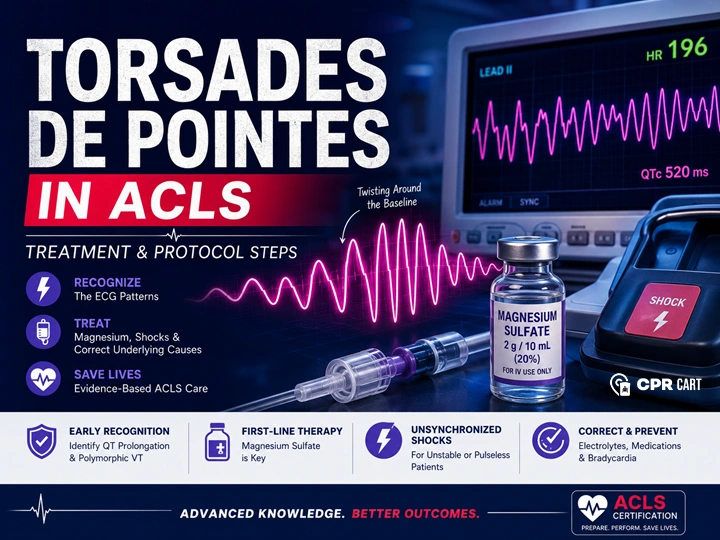
Torsades de Pointes in ACLS - Treatment and Protocol Steps

In the high-stakes environment of Advanced Cardiovascular Life Support (ACLS), few ECG rhythms demand more rapid recognition and specialized intervention than Torsades de Pointes (TdP). This distinctive form of polymorphic ventricular tachycardia can quickly deteriorate into ventricular fibrillation (VF) and sudden cardiac arrest, making early identification and treatment critical. Unlike standard ventricular tachycardia, Torsades de … Read more
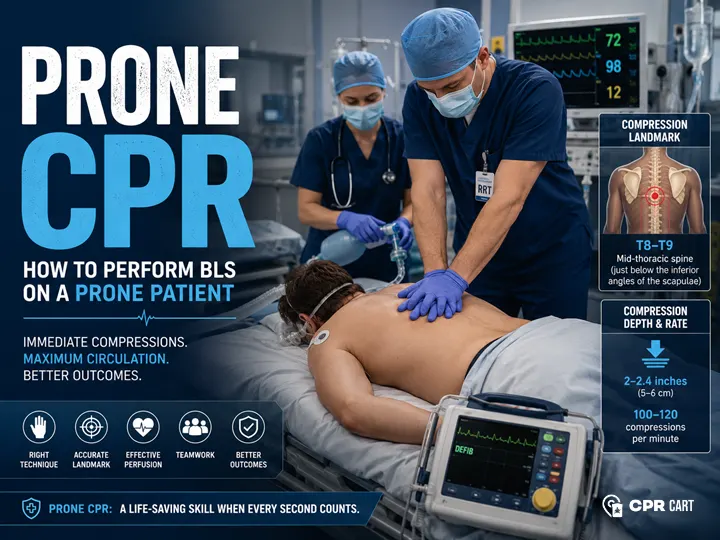
Prone CPR: How to Perform BLS on a Prone Patient

Prone CPR - How to Perform BLS on a Prone Patient

Prone CPR is cardiopulmonary resuscitation (CPR) performed while a patient remains lying face down (in the prone position). It is used when cardiac arrest occurs and immediately turning the patient onto their back would cause a dangerous delay in chest compressions or create significant clinical risk. Although standard CPR is performed with the patient supine, … Read more

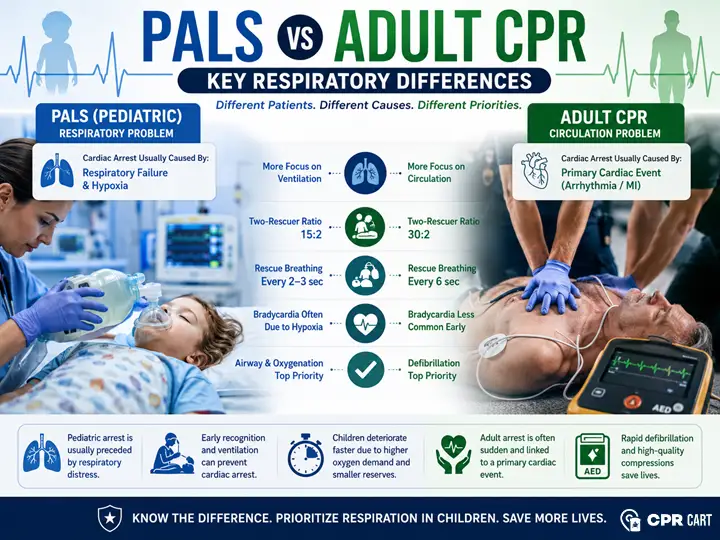
PALS vs Adult CPR: Key Respiratory Differences

PALS vs Adult CPR - Key Respiratory Differences

When healthcare providers respond to a cardiac arrest, the basic tools of resuscitation often look the same: chest compressions, ventilations, airway management, and advanced life support interventions. However, one of the most important lessons taught in Pediatric Advanced Life Support (PALS) is that children are not simply small adults. The reason is rooted in physiology. … Read more

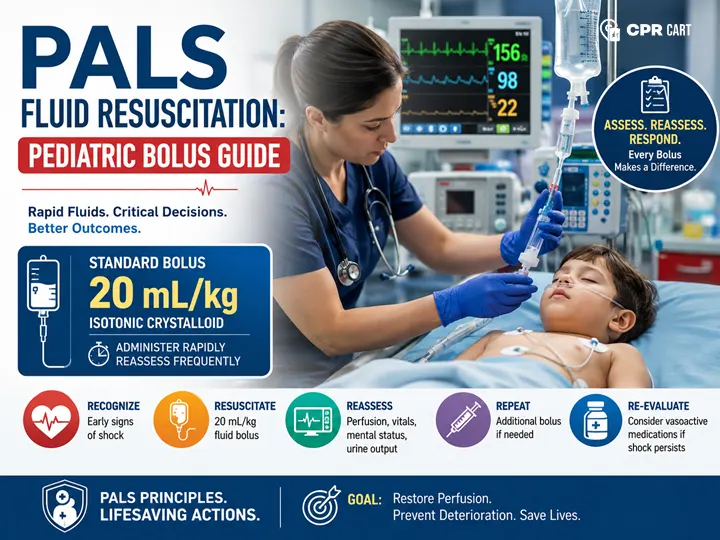
PALS Fluid Resuscitation: Pediatric Bolus Guide

PALS Fluid Resuscitation - Pediatric Bolus Guide

Rapid recognition and treatment of pediatric shock are among the most critical skills taught in Pediatric Advanced Life Support (PALS). Children often maintain their blood pressure until the late stages of shock, making early intervention essential. One of the most effective treatments for restoring circulation and tissue perfusion is timely fluid resuscitation. Understanding when to … Read more

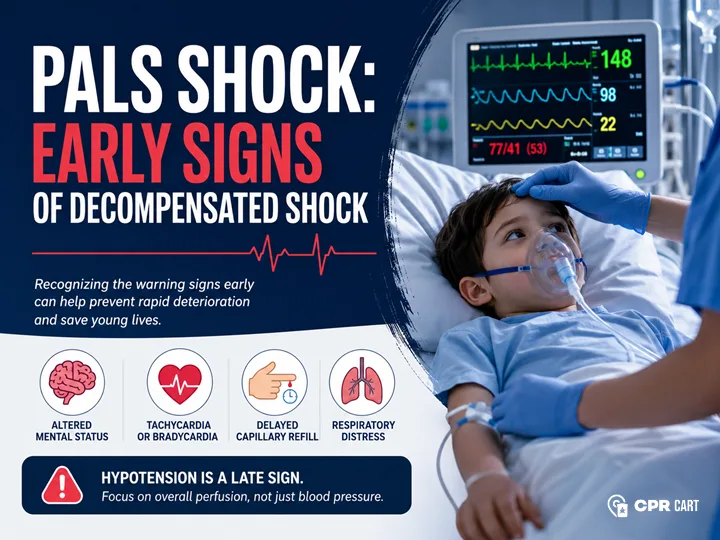
PALS Shock: Early Signs of Decompensated Shock

PALS Shock - Early Signs of Decompensated Shock

In pediatric emergencies, a child’s condition can deteriorate with frightening speed. For healthcare providers, recognizing the shift from compensated to decompensated shock is the difference between a successful resuscitation and cardiopulmonary arrest. According to Pediatric Advanced Life Support (PALS) guidelines, shock is inadequate tissue perfusion and oxygen delivery to meet metabolic demands. Children have robust … Read more

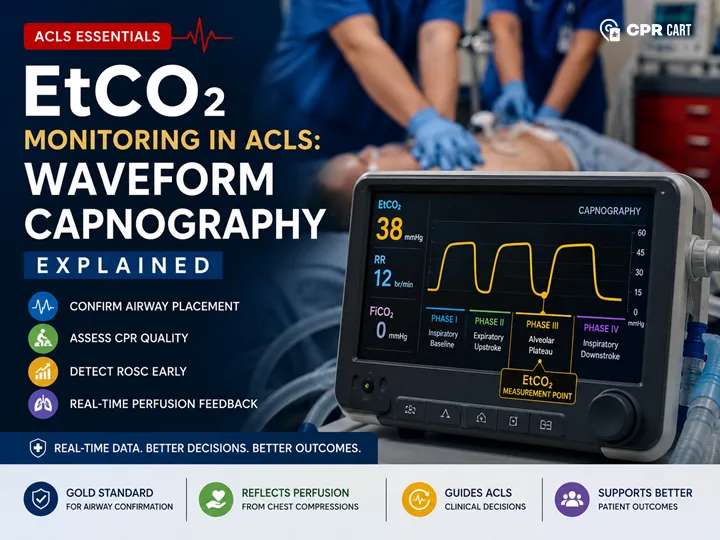
EtCO₂ Monitoring in ACLS: Waveform Capnography Explained

EtCO₂ Monitoring in ACLS - Waveform Capnography Explained

EtCO₂ Monitoring in ACLS: Waveform Capnography Explained Description: Learn how EtCO₂ monitoring and waveform capnography guide ACLS decisions, confirm airway placement, assess CPR quality, and identify ROSC. Slug: etco2-monitoring-acls-waveform-capnography When managing an adult cardiac arrest, healthcare providers rely on specific physiological feedback to measure the effectiveness of their interventions. While pulse checks and rhythm analyses … Read more

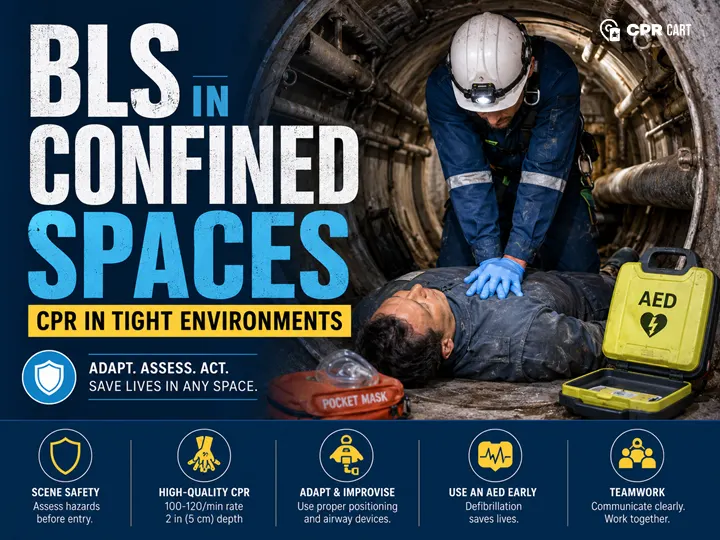
BLS in Confined Spaces: CPR in Tight Environments

BLS in Confined Spaces - CPR in Tight Environments

BLS in confined spaces refers to performing Basic Life Support (BLS) and CPR when a cardiac arrest victim is located in an area with limited access, restricted movement, or environmental hazards that make standard resuscitation difficult. Rescuers must adapt CPR techniques while maintaining high-quality compressions, effective ventilation, and scene safety. Performing Basic Life Support is … Read more

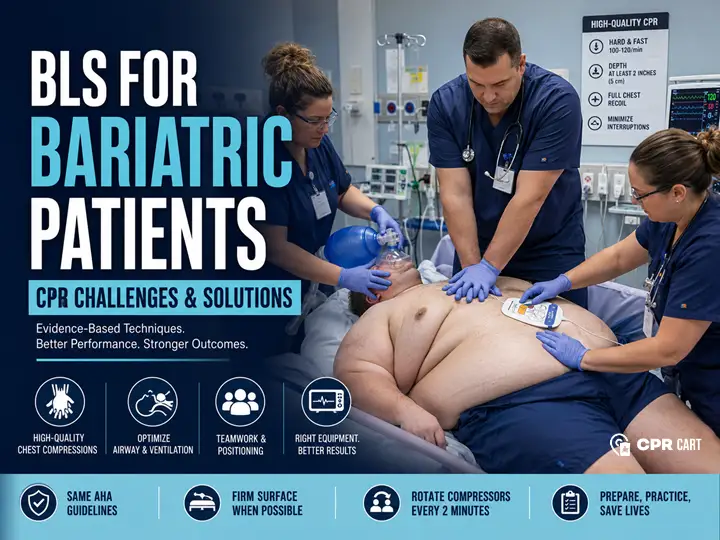
BLS for Bariatric Patients: CPR Challenges and Solutions

BLS for Bariatric Patients - CPR Challenges and Solutions

Cardiac arrest can occur in patients of any body size, but obesity introduces challenges that healthcare providers, first responders, and trained rescuers must overcome to deliver effective Basic Life Support (BLS). As obesity rates continue to increase worldwide, encounters with bariatric patients are becoming more common in hospitals, long-term care facilities, ambulances, and community settings. … Read more

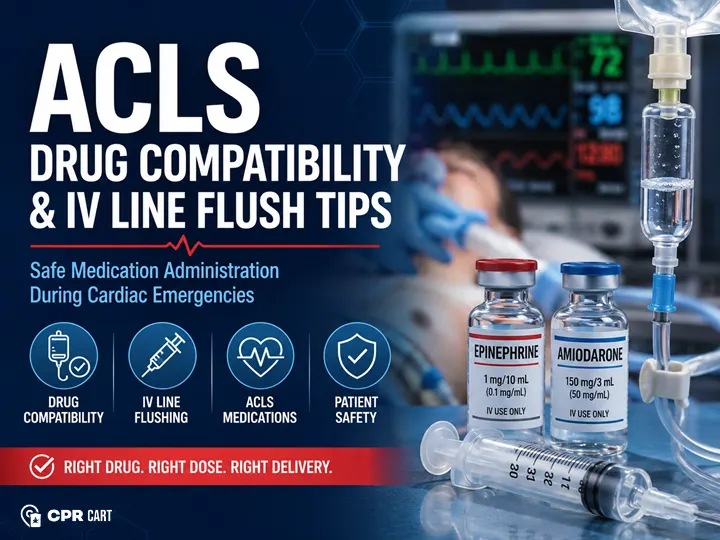
ACLS Drug Compatibility & IV Line Flush Tips

ACLS Drug Compatibility & IV Line Flush Tips

During a cardiac emergency, administering the correct medication is only one part of effective patient care. Healthcare providers must also ensure that medications are delivered safely and efficiently through intravenous (IV) or intraosseous (IO) access. Drug incompatibilities, inadequate flushing techniques, and vascular access issues can interfere with medication delivery during resuscitation. In Advanced Cardiovascular Life … Read more

Why Dental Practices Are Moving to ACLS Blended Learning

Why Dental Practices Are Moving to ACLS Blended Learning

Dental practices today are evolving far beyond routine cleanings and fillings. Sedation dentistry, oral surgery, implant procedures, and medically complex patient care have become increasingly common. As a result, emergency preparedness is now a larger priority than ever before. Many dental offices are rethinking how they train doctors and staff in advanced emergency response skills. … Read more