Pediatric Shock in PALS: Compensated vs. Decompensated
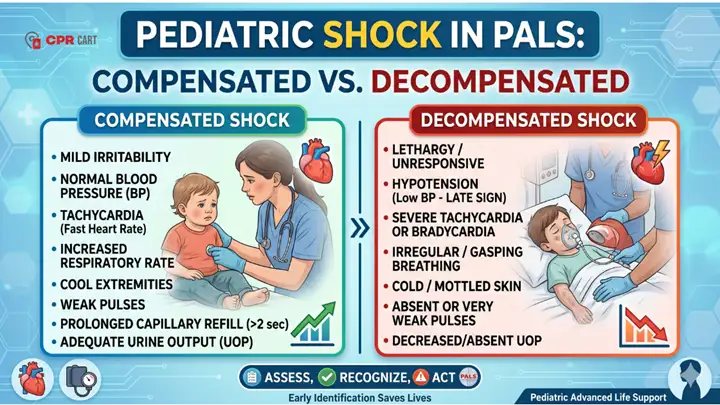
Pediatric Shock in PALS Compensated vs. Decompensated

Recognizing shock early is one of the most important skills taught in Pediatric Advanced Life Support (PALS). Children do not typically deteriorate in the same way adults do. A pediatric patient may maintain a normal blood pressure despite worsening circulation and oxygen delivery. This ability to compensate can create a false impression of stability and … Read more
Pediatric Respiratory Distress vs. Respiratory Failure

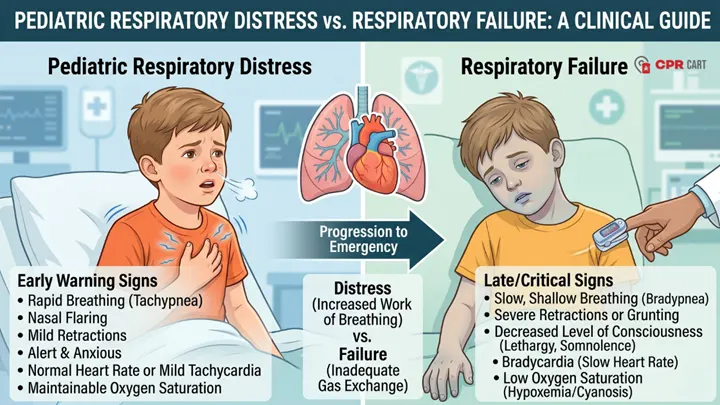
Pediatric Respiratory Distress vs. Respiratory Failure

Recognizing respiratory compromise early is one of the most critical skills taught in Pediatric Advanced Life Support (PALS). Unlike adults, children frequently present with breathing problems long before they experience cardiovascular collapse. Identifying a worsening respiratory status creates a vital window of opportunity for intervention before a critical event occurs. One of the most important … Read more

Pediatric Airway Emergencies: Croup & Inhalation Injury

Pediatric Airway Emergencies Croup & Inhalation Injury

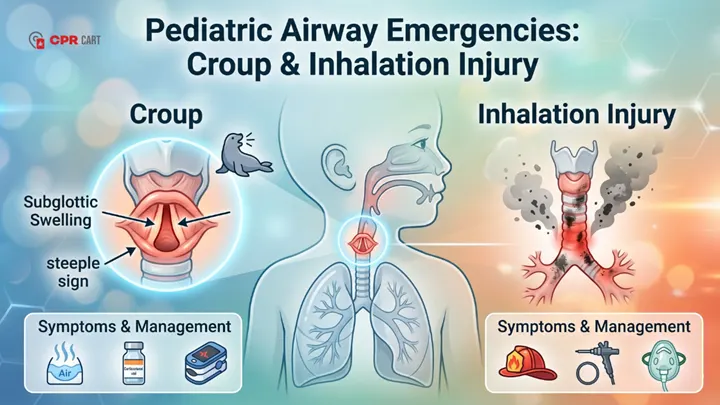
When a child cannot breathe, seconds feel like hours. In pediatric emergency medicine, airway compromise is the leading catalyst for cardiac arrest. Unlike adults, children have a significantly higher metabolic rate and oxygen demand—about 6 to 8 mL/kg per minute compared to an adult’s 3 to 4 mL/kg. Combined with a lower functional residual capacity, … Read more

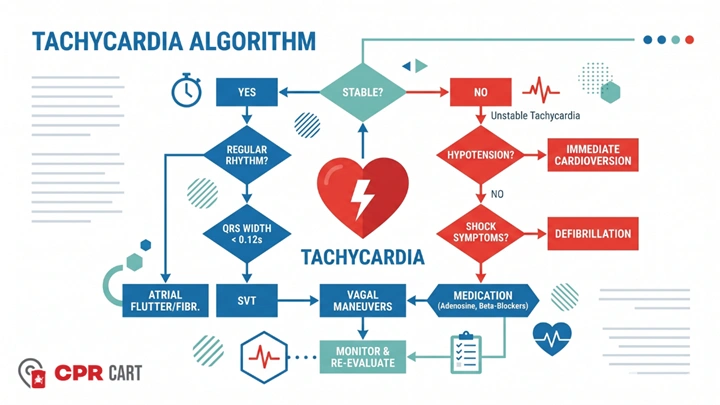
Understanding the PALS Tachycardia Algorithm

Understanding the PALS Tachycardia Algorithm

Pediatric Advanced Life Support (PALS) requires healthcare providers to rapidly assess and treat critically ill children. Among the most essential skills in the PALS toolbox is the management of tachycardia. Unlike adult algorithms, pediatric tachycardia requires a nuanced approach because a rapid heart rate is often the body’s response to a stressor (like fear or … Read more

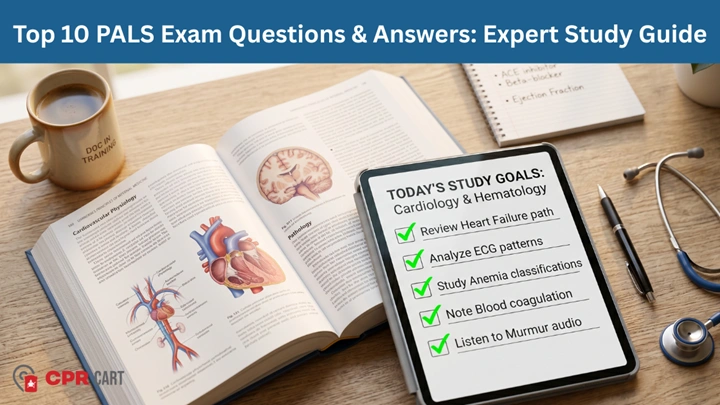
Top 10 PALS Exam Questions & Answers: Expert Study Guide

Top 10 PALS Exam Questions & Answers_ Expert Study Guide

The Pediatric Advanced Life Support (PALS) certification exam is notoriously challenging. It requires healthcare providers to quickly synthesize information regarding physiology, pharmacology, and ECG interpretation to make critical decisions. As an experienced instructor in emergency medical training, I have guided hundreds of students through this process. While memorization has its place, the PALS exam is … Read more

Top 5 Reasons People Fail PALS (And How to Ensure You Pass)

Top 5 Reasons People Fail PALS (And How to Ensure You Pass)

Let’s be honest: Pediatric Advanced Life Support (PALS) is one of the most intensive certifications a healthcare professional can undertake. Unlike BLS (Basic Life Support), where the rhythm is often “shock or no shock,” PALS requires a deep, dynamic understanding of physiology, pharmacology, and complex algorithm management. As an instructor in emergency medical training, I’ve … Read more

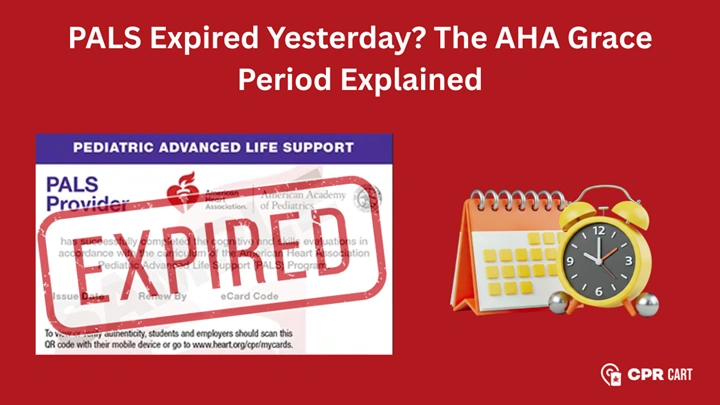
PALS Expired Yesterday? The AHA Grace Period Explained

PALS Expired Yesterday_ The AHA Grace Period Explained

The clock strikes midnight on the last day of the month, and just like that, your Pediatric Advanced Life Support (PALS) provider card is no longer valid. If you’re a healthcare professional, this realization usually comes with a wave of panic. You might have heard from a colleague that there is a “30-day grace period” … Read more

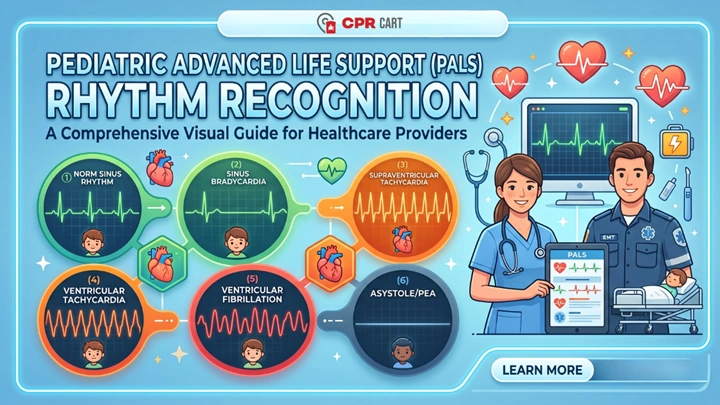
PALS Rhythm Recognition: A Guide for Healthcare Providers

PALS Rhythm Recognition_ A Guide for Healthcare Providers

In pediatric resuscitation, the ability to rapidly identify cardiac rhythms is not just a skill, it is a lifeline. Unlike adults, where cardiac arrest is often sudden and primary, pediatric arrest is typically the end-stage of progressive respiratory failure or shock. Under the 2025 AHA PALS Guidelines, the emphasis has shifted toward earlier recognition of … Read more

PALS Dosing: Strategies to Prevent Pediatric Med Errors

PALS Dosing_ Strategies to Prevent Pediatric Med Errors

In the world of emergency medicine, a pediatric “Code Blue” is universally recognized as one of the most high-pressure scenarios a clinician can face. Unlike adult resuscitation, where standard dosing is often the norm, pediatric advanced life support (PALS) requires precise, weight-based calculations performed under extreme stress. The margin for error is razor-thin. A simple … Read more

PALS Bradycardia Algorithm: A Step-by-Step Breakdown

PALS Bradycardia Algorithm_ A Step-by-Step Breakdown

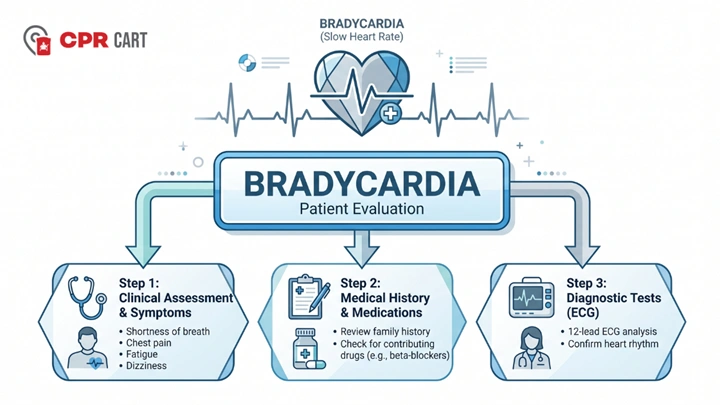
In pediatric Advanced Cardiovascular Life Support (PALS), few algorithms require as much critical thinking as the Bradycardia with a Pulse algorithm. While bradycardia can be a sign of a healthy, athletic heart in adults, in pediatrics, it is often a late, ominous sign of respiratory failure or shock. As healthcare providers, we know that cardiac … Read more