NICU Nurse Certs: Do You Need NRP, PALS, or Both?
NICU Nurse Certs_ Do You Need NRP, PALS, or Both

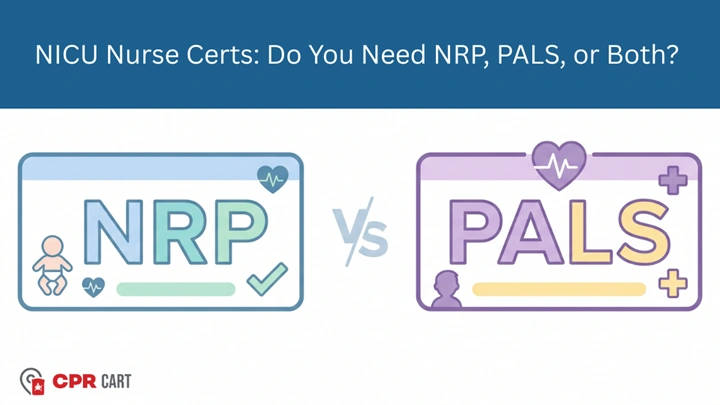
For nurses working in Neonatal Intensive Care Units (NICU), the stakes are incredibly high. You are caring for the most vulnerable patients – premature infants and critically ill newborns whose physiology is fragile and distinct from older children. Because of this specialized environment, maintaining the right life support certifications is not just a regulatory requirement; … Read more

Mastering the Pediatric Assessment Triangle (PAT)

Mastering the Pediatric Assessment Triangle (PAT)

In emergency medicine and pediatric care, time is the most valuable resource. Unlike adult patients, children often compensate physiologically very well until they suddenly crash. This makes identifying early signs of deterioration critical. For healthcare professionals, whether in the Emergency Department, urgent care, or pre-hospital settings, the Pediatric Assessment Triangle (PAT) is the foundational tool … Read more

Management of Septic Shock in Pediatrics: PALS Guidelines

Management of Septic Shock in Pediatrics_ PALS Guidelines

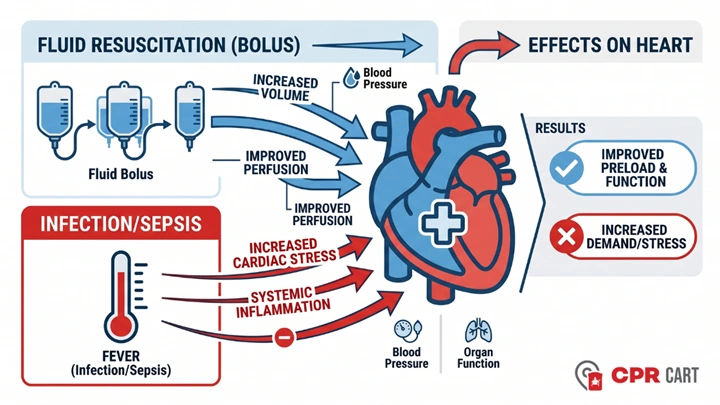
Sepsis remains one of the leading causes of mortality in pediatric patients worldwide. For healthcare providers, the rapid recognition and aggressive management of septic shock is a critical skill set. Unlike cardiac arrest, where the heart is the primary issue, septic shock is a systemic circulatory failure caused by an infectious insult. The window of … Read more

IO vs. IV Access: PALS Pediatric Emergency Guide

IO vs. IV Access_ PALS Pediatric Emergency Guide

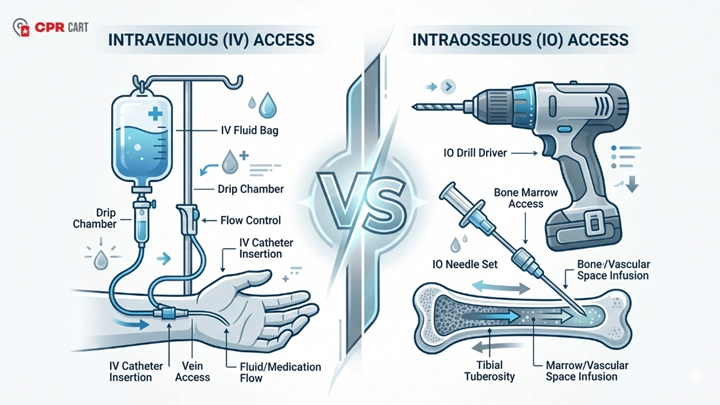
In pediatric resuscitation, the adage “time is tissue” is never more truer than when securing vascular access. When a child enters cardiac arrest or decompensates into severe shock, the window to reverse hypoxia and ischemia is narrow. For decades, the standard of care relied solely on placing a peripheral intravenous (IV) line. However, the American … Read more