Top 5 Reasons People Fail PALS (And How to Ensure You Pass)

Top 5 Reasons People Fail PALS (And How to Ensure You Pass)

Let’s be honest: Pediatric Advanced Life Support (PALS) is one of the most intensive certifications a healthcare professional can undertake. Unlike BLS (Basic Life Support), where the rhythm is often “shock or no shock,” PALS requires a deep, dynamic understanding of physiology, pharmacology, and complex algorithm management. As an instructor in emergency medical training, I’ve … Read more
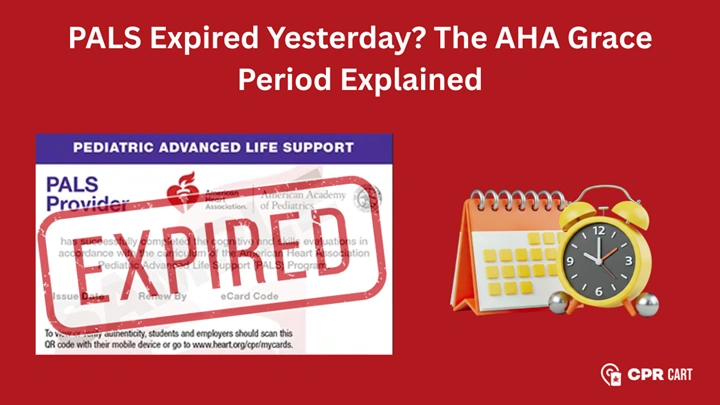
PALS Expired Yesterday? The AHA Grace Period Explained

PALS Expired Yesterday_ The AHA Grace Period Explained

The clock strikes midnight on the last day of the month, and just like that, your Pediatric Advanced Life Support (PALS) provider card is no longer valid. If you’re a healthcare professional, this realization usually comes with a wave of panic. You might have heard from a colleague that there is a “30-day grace period” … Read more

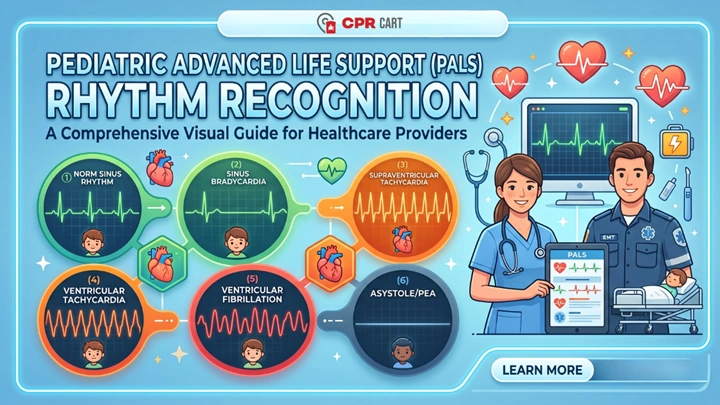
PALS Rhythm Recognition: A Guide for Healthcare Providers

PALS Rhythm Recognition_ A Guide for Healthcare Providers

In pediatric resuscitation, the ability to rapidly identify cardiac rhythms is not just a skill, it is a lifeline. Unlike adults, where cardiac arrest is often sudden and primary, pediatric arrest is typically the end-stage of progressive respiratory failure or shock. Under the 2025 AHA PALS Guidelines, the emphasis has shifted toward earlier recognition of … Read more

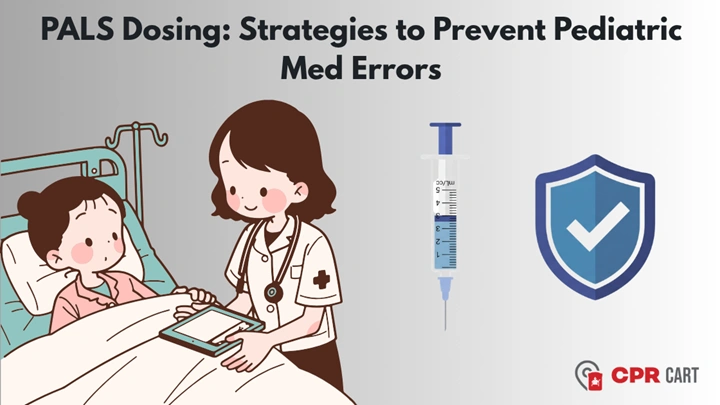
PALS Dosing: Strategies to Prevent Pediatric Med Errors

PALS Dosing_ Strategies to Prevent Pediatric Med Errors

In the world of emergency medicine, a pediatric “Code Blue” is universally recognized as one of the most high-pressure scenarios a clinician can face. Unlike adult resuscitation, where standard dosing is often the norm, pediatric advanced life support (PALS) requires precise, weight-based calculations performed under extreme stress. The margin for error is razor-thin. A simple … Read more

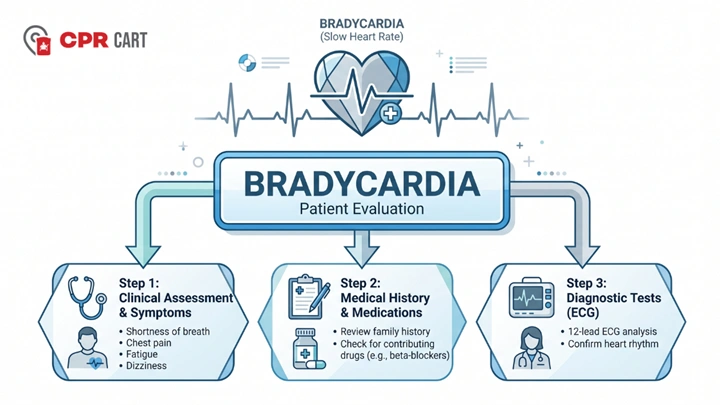
PALS Bradycardia Algorithm: A Step-by-Step Breakdown

PALS Bradycardia Algorithm_ A Step-by-Step Breakdown

In pediatric Advanced Cardiovascular Life Support (PALS), few algorithms require as much critical thinking as the Bradycardia with a Pulse algorithm. While bradycardia can be a sign of a healthy, athletic heart in adults, in pediatrics, it is often a late, ominous sign of respiratory failure or shock. As healthcare providers, we know that cardiac … Read more

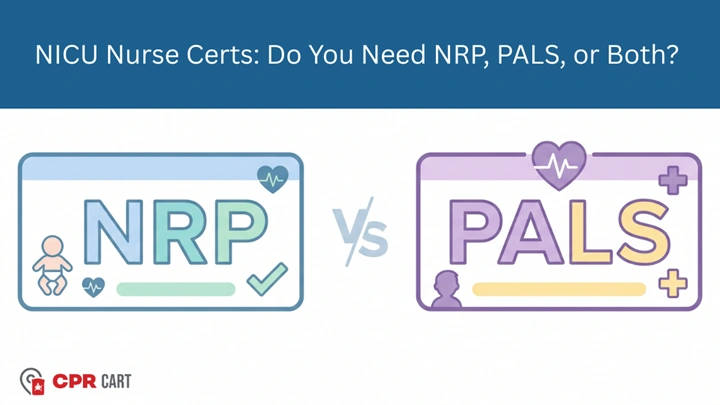
NICU Nurse Certs: Do You Need NRP, PALS, or Both?

NICU Nurse Certs_ Do You Need NRP, PALS, or Both

For nurses working in Neonatal Intensive Care Units (NICU), the stakes are incredibly high. You are caring for the most vulnerable patients – premature infants and critically ill newborns whose physiology is fragile and distinct from older children. Because of this specialized environment, maintaining the right life support certifications is not just a regulatory requirement; … Read more

Mastering the Pediatric Assessment Triangle (PAT)

Mastering the Pediatric Assessment Triangle (PAT)

In emergency medicine and pediatric care, time is the most valuable resource. Unlike adult patients, children often compensate physiologically very well until they suddenly crash. This makes identifying early signs of deterioration critical. For healthcare professionals, whether in the Emergency Department, urgent care, or pre-hospital settings, the Pediatric Assessment Triangle (PAT) is the foundational tool … Read more

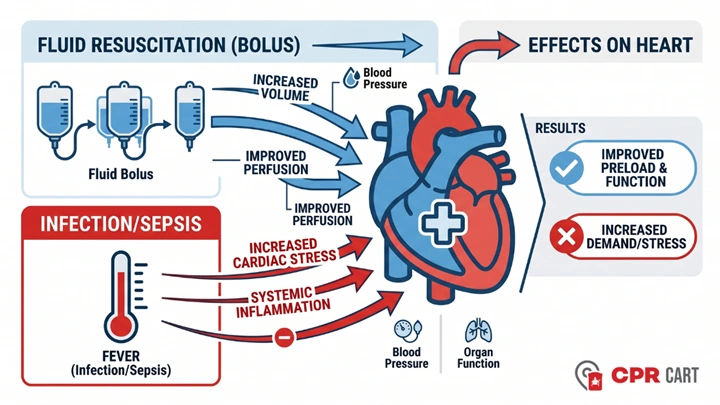
Management of Septic Shock in Pediatrics: PALS Guidelines

Management of Septic Shock in Pediatrics_ PALS Guidelines

Sepsis remains one of the leading causes of mortality in pediatric patients worldwide. For healthcare providers, the rapid recognition and aggressive management of septic shock is a critical skill set. Unlike cardiac arrest, where the heart is the primary issue, septic shock is a systemic circulatory failure caused by an infectious insult. The window of … Read more

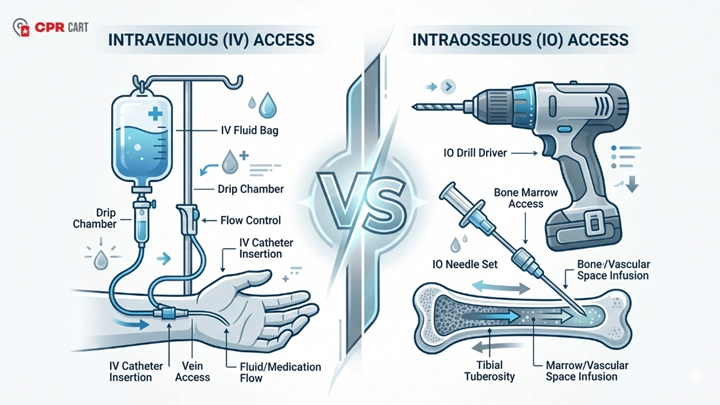
IO vs. IV Access: PALS Pediatric Emergency Guide

IO vs. IV Access_ PALS Pediatric Emergency Guide

In pediatric resuscitation, the adage “time is tissue” is never more truer than when securing vascular access. When a child enters cardiac arrest or decompensates into severe shock, the window to reverse hypoxia and ischemia is narrow. For decades, the standard of care relied solely on placing a peripheral intravenous (IV) line. However, the American … Read more

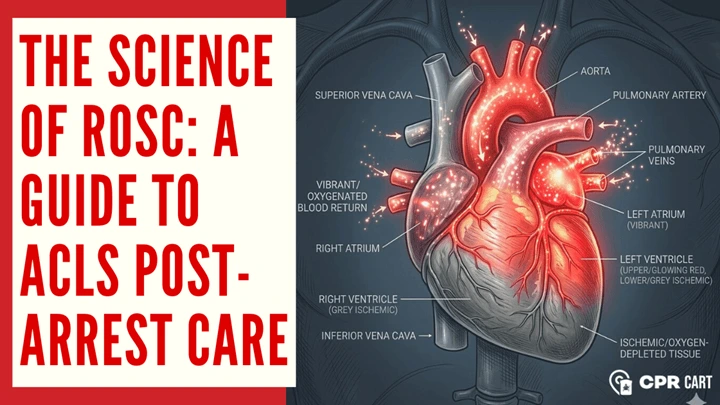
The Science of ROSC: A Guide to ACLS Post-Arrest Syndrome

The Science of ROSC_ A Guide to ACLS Post-Arrest Care

Achieving Return of Spontaneous Circulation (ROSC) is the primary goal of every resuscitation attempt. For healthcare providers, the pulse felt after a successful defibrillation or round of CPR is a moment of immense relief. However, in the world of Advanced Cardiovascular Life Support, ROSC is not the finish line, it is the starting line of … Read more